About Department
Vision & Mission
Objectives
|
Power Electronics & Electrical Drives students are prepared for technical careers in the rapidly growing sectors of Power Electronics and Electrical Drives. The primary goal is to establish a solid theoretical and practical foundation in electrical and electronic circuits, converters, digital circuits, electrical machinery, and control architecture.The curriculum is meant to help students achieve the following learning objectives by the time they graduate:
|
Graduate Attributes
-
Academic excellence: Ability to identify key questions, research and pursue rigorous evidence-based arguments
-
Critical Thinking and Effective communications: Analysis and evaluation of information to form a judgement about a subject or idea and ability to effectively communicate the same in a structured form.
-
Global Citizenship: Mutual understanding with others from diverse cultures, perspectives and backgrounds
-
Life Long Learning: Open, curious, willing to investigate, and consider new knowledge and ways of thinking
Program Educational Outcomes
-
PEO1: Advanced Technical Expertise: Graduates will acquire in-depth knowledge and technical proficiency in power electronics, electric drives, control systems, and related areas to design and analyze advanced power conversion and drive systems.
-
PEO2: Research and Innovation: Graduates will engage in research and development activities, contributing to innovation in the field of power electronics and drives through publications, patents, or advanced technical solutions.
-
PEO3: Professional Growth and Lifelong Learning: Graduates will continuously upgrade their knowledge and skills through professional development, higher studies, certifications, or independent learning in response to evolving technologies.
-
PEO4: Industry and Societal Impact: Graduates will apply their expertise to address industry challenges and societal needs, including energy efficiency, renewable energy integration, and electric mobility, adhering to sustainability and safety standards.
-
PEO5: Leadership and Ethical Practices: Graduates will demonstrate leadership in multidisciplinary teams, practice ethical decision-making, and contribute effectively in global and culturally diverse work environments.
Program Outcomes
| After completion of the programme the Post graduate will: | |
|---|---|
| PO 1 | Domain knowledge: Acquire in-depth theoretical and technical competence in power electronics and electrical drives discipline |
| PO 2 | Problem analysis: Analyse and understand the requirement of power electronics and electrical drives system. |
| PO 3 | Conduct investigations of complex problems: Exhibit skill and knowledge to perform experiments and operate latest instruments required for research. |
| PO 4 | Modern tool usage: Model and implement the power electronics systems with the help of mathematical and simulation tools. |
| PO 5 | Environment and sustainability: Examine global environmental problems and critically evaluate evidence to formulate and organize sustainable strategies. |
| PO 6 | Ethics: Apply harmonies principles and entrust to professional ethics and responsibilities of the power electronics and electrical drives practice. |
| PO 7 | Individual and team work: An ability to evaluate critically one’s own action and work and make decisions by considering professional and social responsibilities. |
| PO 8 | Communication: Ability to write and present research to a technically literate audience by means of research article, presentation or a written report/thesis. |
| PO 9 | Life-long learning: Able to put together and evaluate the problems and data base from a variety of sources by appealing in lifelong learning. |
Program Specific Outcomes
<After completion of the programme the Post graduate will:
- PSO-1:Able to understand various power electronic and electrical drives system and subsystem related to power conversion, power modulation and power quality maintenance.
- PSO-2:Able to select appropriate converter for various power conversion systems like electric motor drives, renewable energy systems and other industrial and domestic applications.
- PSO-3:Able to design, analyze and simulate various power electronics converters, control techniques, systems and subsystems.
- PSO-4:Able to get hands on experience of power electronics and drive system and innovate them to leads towards the research and industrial work.
Faculty profile
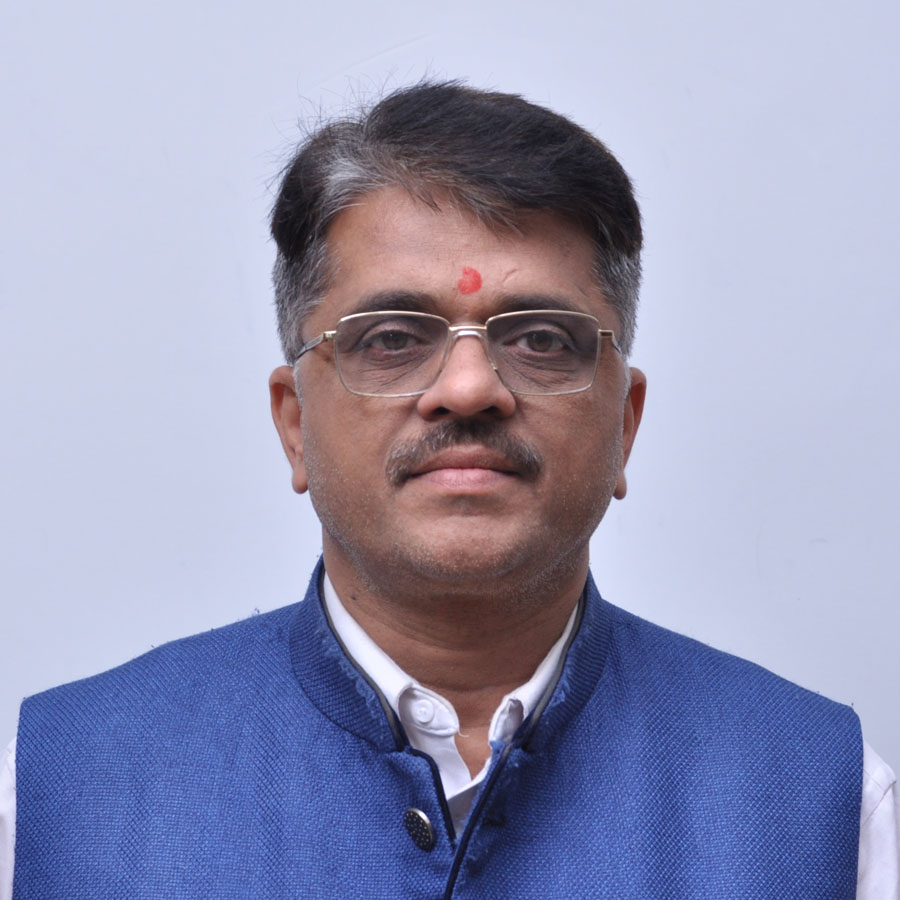
Yagnesh Shukla
yagnesh.shukla@atmiyauni.ac.in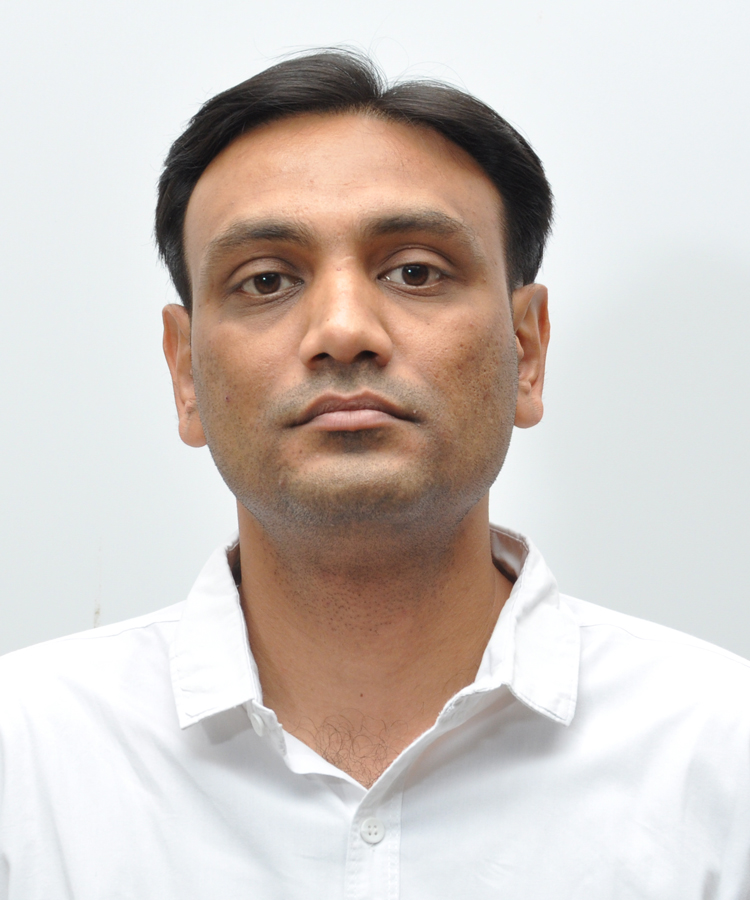
Dharmesh Jagdishchandra Pandya
dharmesh.pandya@atmiyauni.ac.in
Pratik Jitendrakumar Munjani
pratik.munjani@atmiyauni.ac.in
Seema Vipul Vachhani
seema.vachhani@atmiyauni.ac.in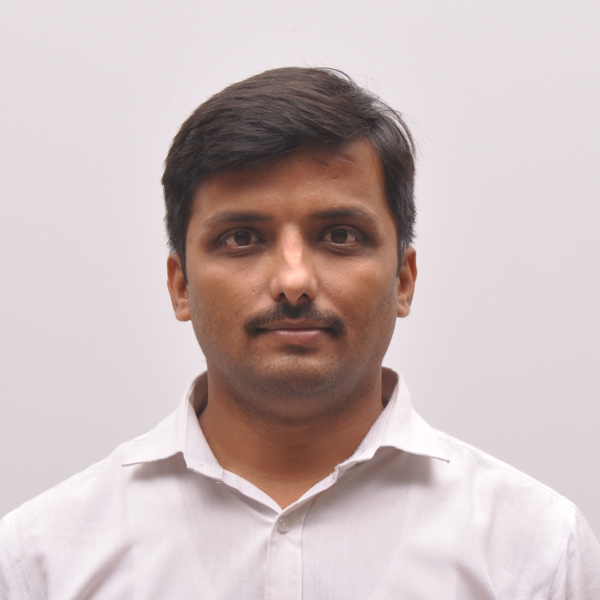
Narendrasinh Chandubha Rana
narendrasinh.rana@atmiyauni.ac.in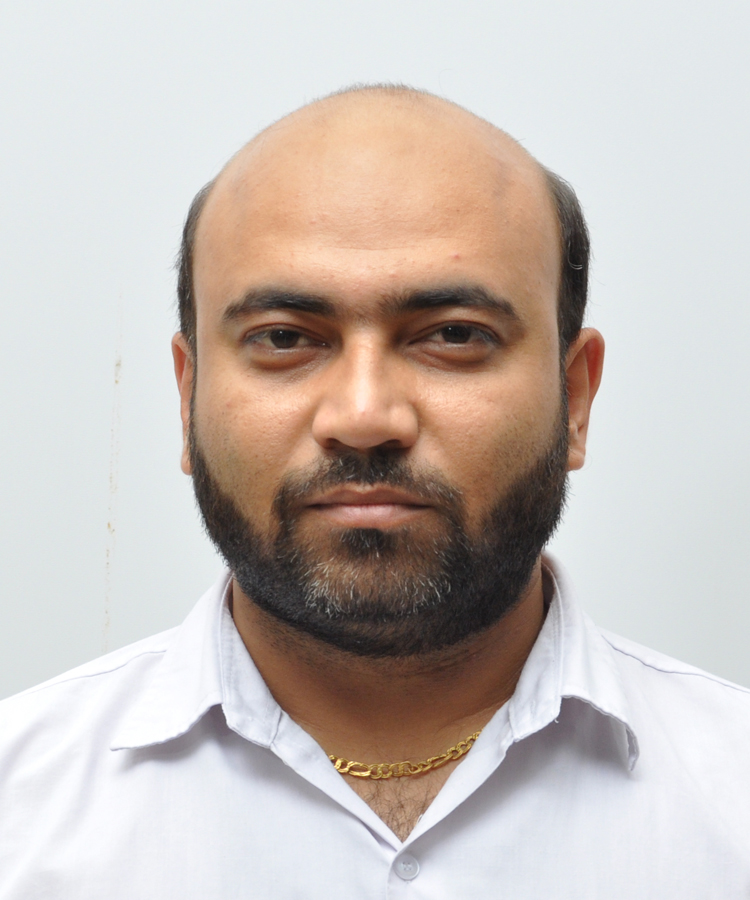
Ankit Bharatbhai Lehru
ankit.lehru@atmiyauni.ac.in
Mahesh Lagarabhai Dhola
mahesh.dhola@atmiyauni.ac.in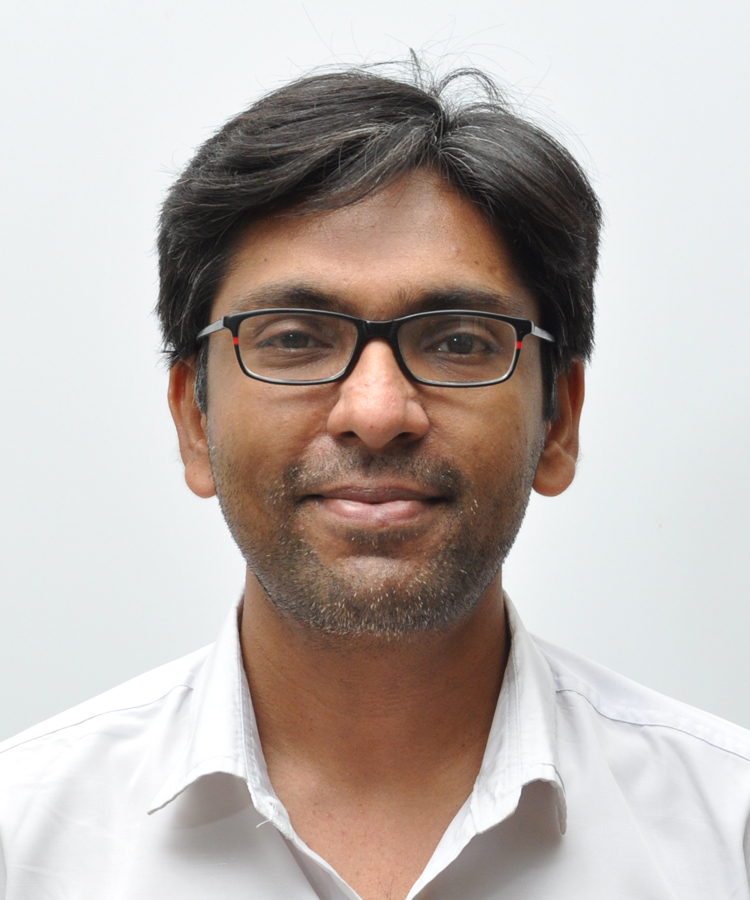
Dhaval Ajitbhai Vora
dhaval.vora@atmiyauni.ac.in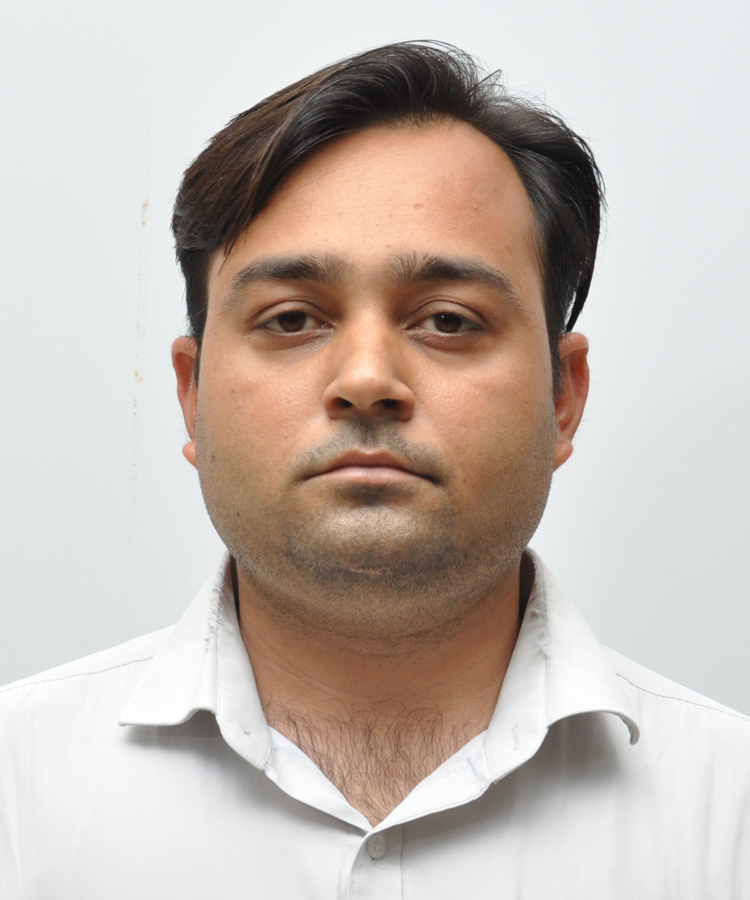
Dhaval Yogeshbhai Raval
dhaval.raval@atmiyauni.ac.in
Himanshu Mukundray Joshi
himanshu.joshi@atmiyauni.ac.in
Nikunj Devshibhai Shyara
nikunj.shyara@atmiyauni.ac.in
Kartikkumar Natubhai Joshi
kartik.joshi@atmiyauni.ac.in
Rajesh Karshanbhai Panara
rajesh.panara@atmiyauni.ac.in
Pramanik Vinodbhai Maru
pramanik.maru@atmiyauni.ac.inScope
- Electrical Engineering is a core and evergreen branch of Engineering.
- There is a huge demand of electrical engineers in developed & under-developed countries for power generation, power transmission, power distribution, manufacturing units and research in renewable energy sources.
- The Government of India is taking keen interest in promoting renewable energy resources.
- It clearly indicates that the future of power sector in India is excellent in the field of “Green Energy”.
- According to the current scenario; career in electrical engineering is considered as hopeful in government as well as private sectors.
- Prominent alumni of the department are working with well known organizations like PGVCL, GETCO, Reliance Industries, Nayara Energy, Nirma, Tata Chemicals, TCS, ABB, L&T, Suzlon etc.
- Atmiya University always encourages and supports the students to become Aatm Nirbhar(entrepreneur)!
Research and Publication
| Sr. | Particular | Qty. |
|---|---|---|
| 1 | Publication in International Journal | 7 |
| 2 | Publication in International Conference Proceeding | 17 |
| 3 | Publication in National Journal | 2 |
| 4 | Publication in National Conference Proceeding | 22 |
| 5 | Best Research Paper Award | 7 |
Event
| Sr. No. | Event Name | Event Date | Photo Gallery |
|---|---|---|---|
| 1 | One Day Theory-cum-Practical Energy Conservation Awareness Workshop | 17-10-2024 | View PDF |
| 2 | Guest Lecture on Guidance for Merchant Navy Awareness | 31-01-2024 | View PDF |
| 3 | Pedagogy Session | 07-10-2023 | View PDF |
| 4 | Syneargy transformer Visit | 17-03-2022 | View PDF |
| 5 | 400kv Hadala Visit | 16-03-2022 | View PDF |
| 6 | Electrical Installation Visit | 17-02-2022 | View PDF |
Department Infrastructure
| Electrical Machine Lab | 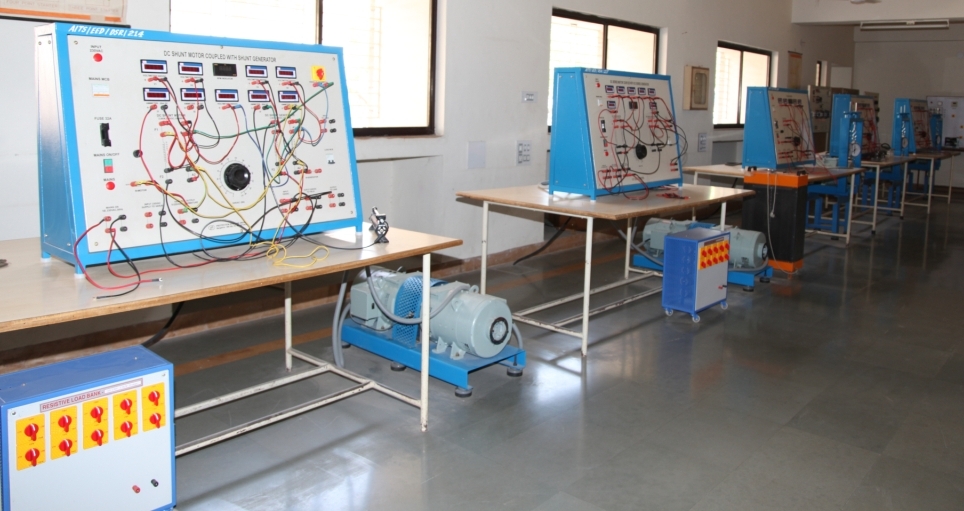 |
| High Voltage Engineering Lab | 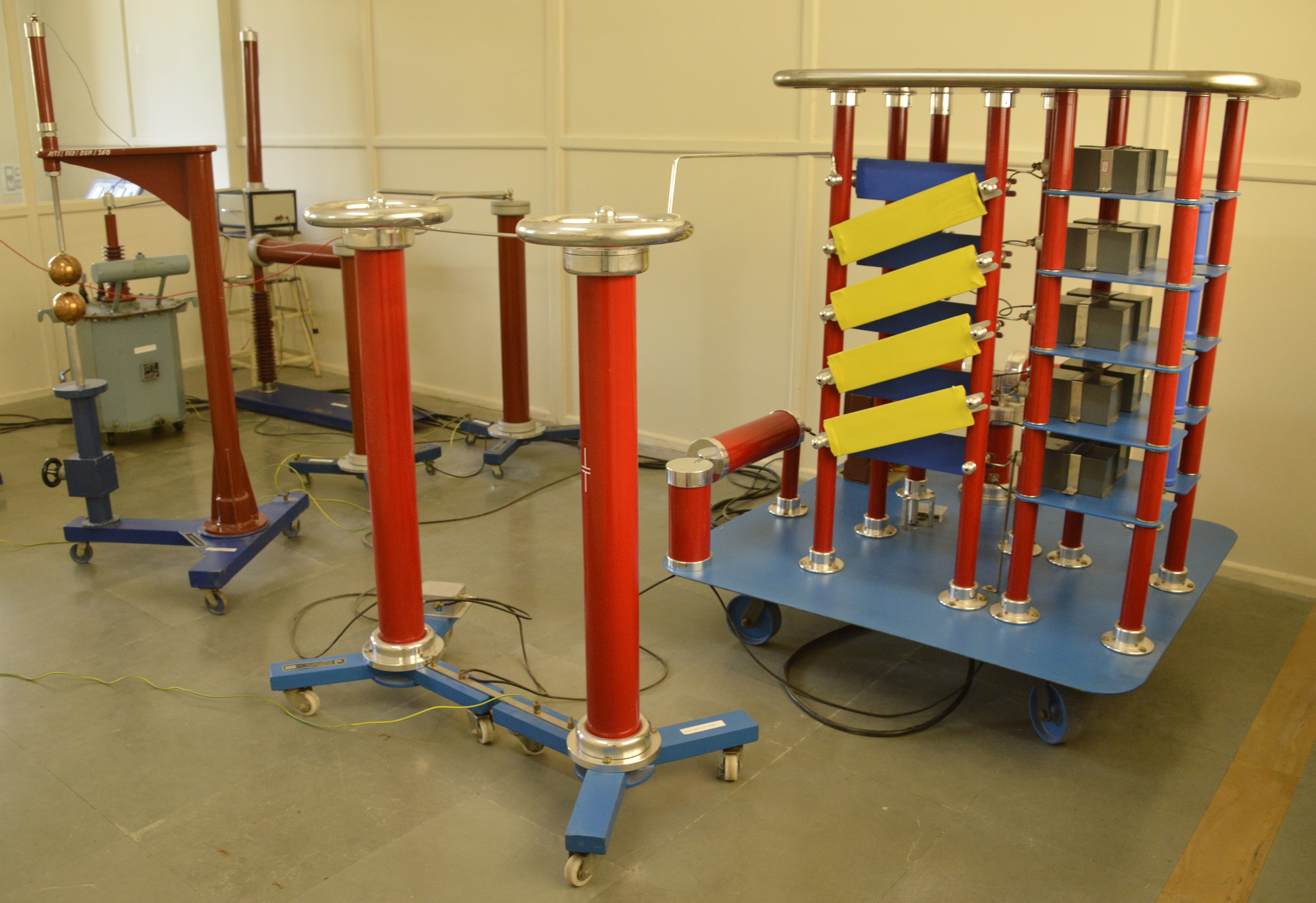 |
| Wind Energy Lab | 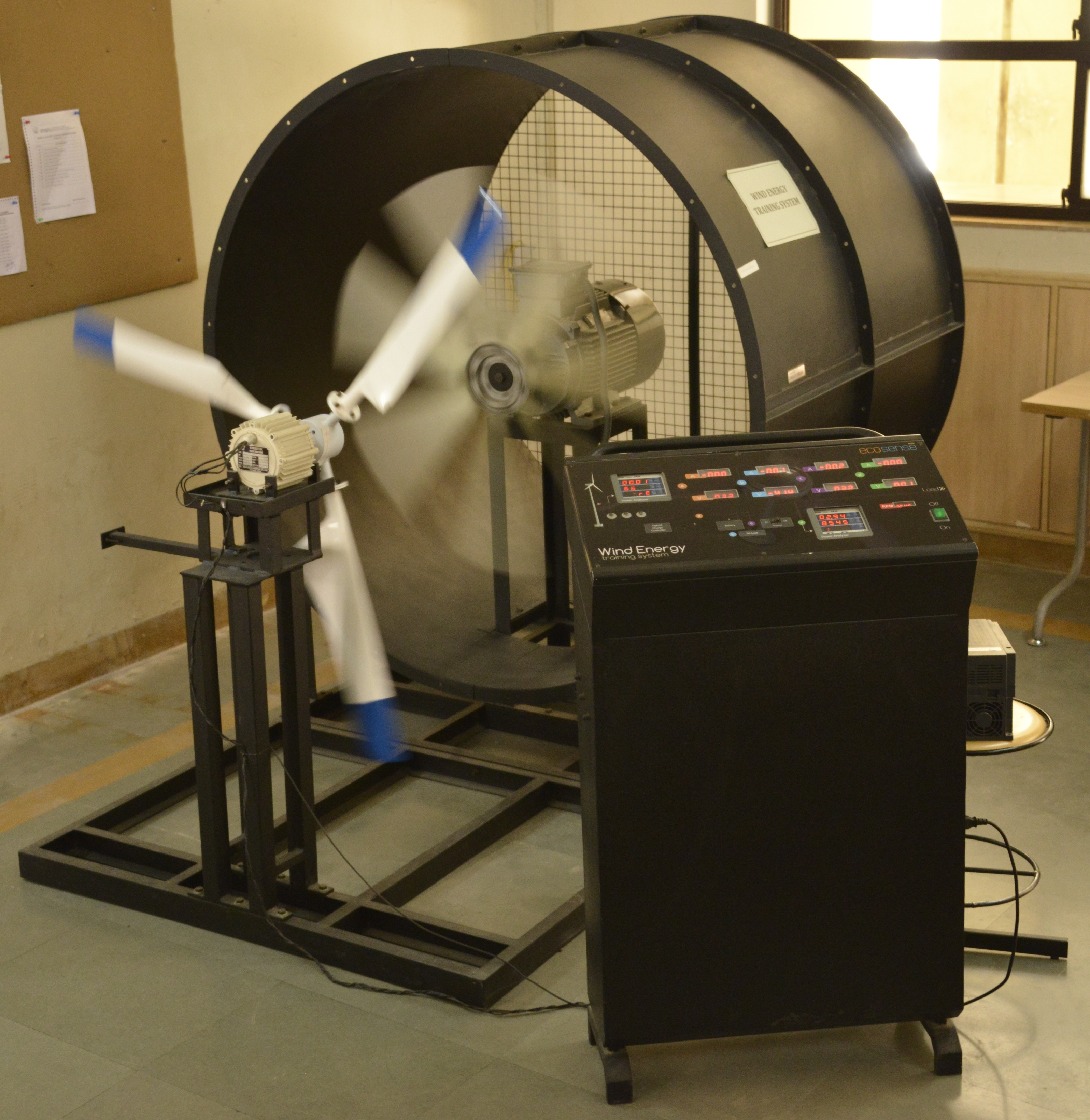 |
| Power System Protection Lab | 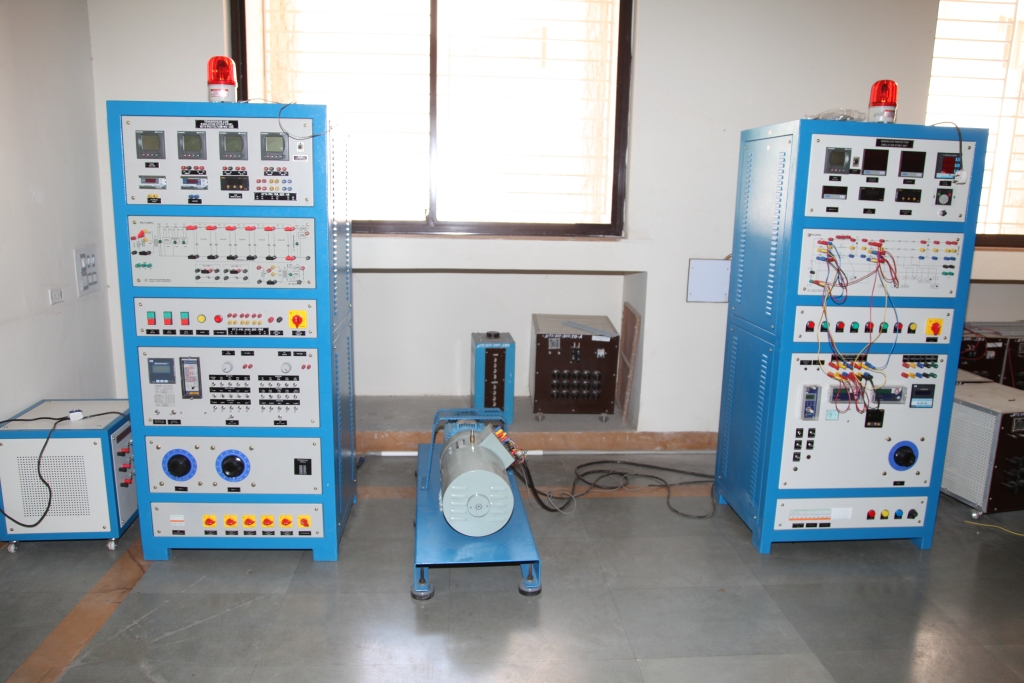 |
| Solar Energy Lab | 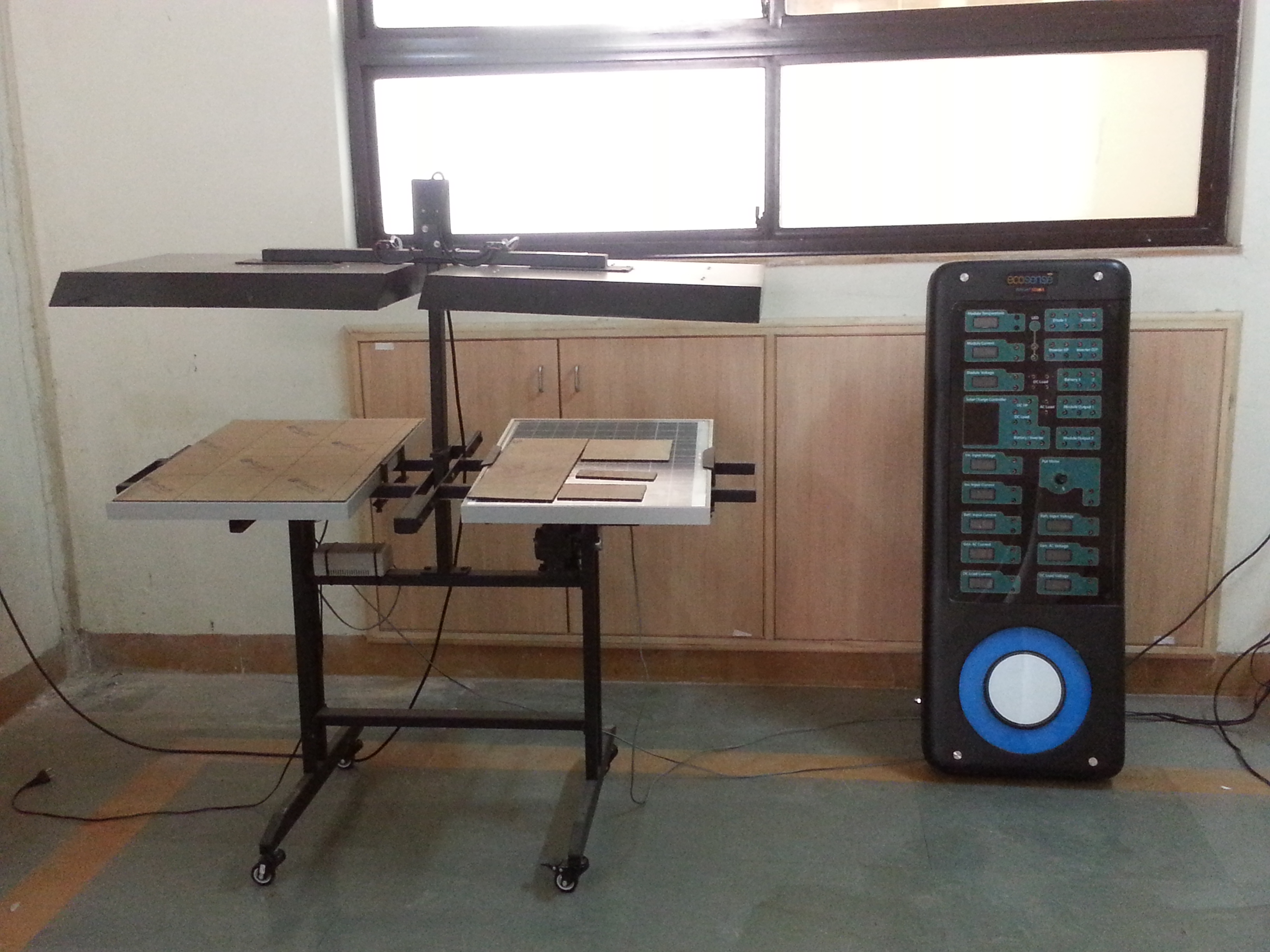 |
Placement
|
Sr. No. |
Year |
Program |
Name of Student |
Organization in which placed |
|
1 |
2024-25 |
PG |
Dhaval M. Solanki |
Incredible Machines |
|
2 |
2023-24 |
PG |
Rahul V. Sankhat |
Arpit Group of Institution |
|
Krunal Dodiya |
Suzlon Global Services Ltd |
Achievements
| SR | NAME OF STUDENT | PROGRAM | PASS OUT YEAR | ACHIEVEMENT |
|---|---|---|---|---|
| 1 | Vyas Nirvisha Vinodray | M.E. (Electrical - PEED) | 2014 | GTU Gold Medalist |
| 2 | Jadav Krishnarajsinh Ajaykumar | M.E. (Electrical - PEED) | 2015 | GTU Gold Medalist (Branch Topper + Course Topper) |
| 3 | Shrivastava Ankitkumar Jayprakash | M.E. (Electrical - PEED) | 2016 | GTU Gold Medalist |
| 4 | Patel Monika Devrajbhai | M.E. (Electrical - PEED) | 2019 | GTU Gold Medalist |
| 5 | Sapariya Kishan Chhaganbhai | B.Tech Electrical | 2023 | Award- RK University Best InnovativeEngineering Project Award (ISTE) |